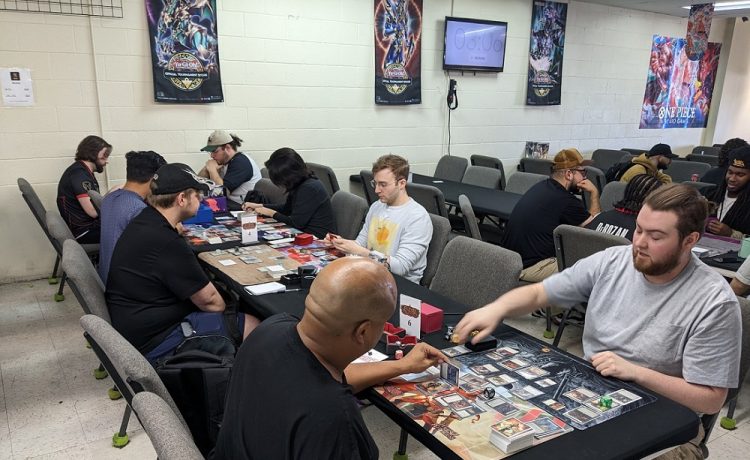
Online card games have dramatically reshaped the competitive gaming landscape. What was once limited to local tables and in-person tournaments has evolved into a global, data-driven ecosystem where players compete across borders in real time. This transformation has not only expanded accessibility but also redefined what it means to play card games at a competitive level.
With technology enhancing fairness, skill measurement, and strategic depth, online platforms have elevated card games from casual pastimes to serious competitive pursuits.
The Shift from Physical Tables to Digital Platforms
Traditional card game competition relied heavily on physical presence, limited venues, and scheduled events. Online platforms removed these constraints by allowing players to compete anytime, anywhere.
Key changes introduced by digital play include:
-
Instant matchmaking with players worldwide
-
Elimination of geographical barriers
-
Continuous access to competitive games
This shift has significantly increased player participation and diversity in competitive environments.
Global Competition and Skill-Based Matchmaking
One of the most impactful changes is skill-based matchmaking. Online card games use ranking systems and performance metrics to pair players of similar ability.
Benefits of this system include:
-
Fairer and more balanced matches
-
Faster skill development through consistent challenge
-
Reduced reliance on reputation or local dominance
Players now progress through measurable tiers, creating a clearer path from casual play to high-level competition.
Data, Analytics, and Strategic Evolution
Online card games generate vast amounts of gameplay data. Competitive players use this information to refine strategies and identify weaknesses.
Strategic advantages driven by data include:
-
Performance tracking over time
-
Analysis of win rates and decision patterns
-
Improved probability-based decision-making
This analytical approach has raised the overall skill ceiling, rewarding disciplined and informed players.
Online Tournaments and Competitive Leagues
Digital platforms have made competitive tournaments more frequent and accessible. Players can now participate in daily, weekly, or seasonal competitions without travel or high entry costs.
Key features of online competitive events include:
-
Automated brackets and rankings
-
Transparent rules and enforcement
-
Opportunities for consistent competitive exposure
This structure has helped identify talent more efficiently and nurture competitive communities.
The Rise of Card Game Esports
Some online card games have entered the esports ecosystem, complete with professional players, sponsorships, and live-streamed events.
Esports integration has introduced:
-
Spectator-friendly interfaces
-
Commentary and strategic breakdowns
-
Professional training and team environments
These elements have legitimized card games as competitive sports rather than purely recreational activities.
Fair Play, Security, and Rule Enforcement
Online platforms use advanced systems to ensure fair competition. Automated rule enforcement removes ambiguity and reduces disputes common in physical play.
Competitive integrity is strengthened through:
-
Anti-cheat systems
-
Randomized shuffling algorithms
-
Real-time monitoring of suspicious behavior
This consistency creates a level playing field where outcomes depend primarily on skill.
Community Growth and Knowledge Sharing
Online environments encourage collaboration and learning through forums, live streams, and social features. Competitive players often improve faster by sharing insights and reviewing gameplay.
Community-driven benefits include:
-
Strategy discussions and meta analysis
-
Exposure to diverse playstyles
-
Continuous learning beyond active gameplay
This shared knowledge accelerates competitive evolution across the entire player base.
Challenges in Online Competitive Card Games
Despite their advantages, online card games face challenges that impact competitive balance.
Common concerns include:
-
Reduced face-to-face psychological elements
-
Dependence on stable internet connections
-
Over-reliance on algorithms and updates
Addressing these challenges remains essential for sustaining long-term competitive credibility.
The Future of Competitive Card Play
As technology advances, online card games are likely to become even more immersive and skill-focused. Enhanced analytics, improved matchmaking, and broader esports recognition will continue shaping competitive play.
The future points toward a hybrid model where digital and physical competitions coexist, each enriching the other.
Frequently Asked Questions (FAQs)
1. How have online card games improved competitive fairness?
Automated rules, random shuffling, and skill-based matchmaking ensure more consistent and fair competition.
2. Do online card games require more skill than physical ones?
The core skills remain the same, but online play emphasizes data analysis and adaptability.
3. Are online card game tournaments open to everyone?
Yes, most platforms allow players of all skill levels to enter competitive events.
4. Can players build professional careers through online card games?
Yes, some players transition into professional competition through esports leagues and sponsored events.
5. How does matchmaking affect player improvement?
Playing against equally skilled opponents accelerates learning and reduces unbalanced matches.
6. Are online card games safe from cheating?
Most platforms implement strong security measures, though continuous improvement is necessary.
7. Will online card games replace physical competitive play?
No, they are more likely to complement physical play rather than fully replace it.